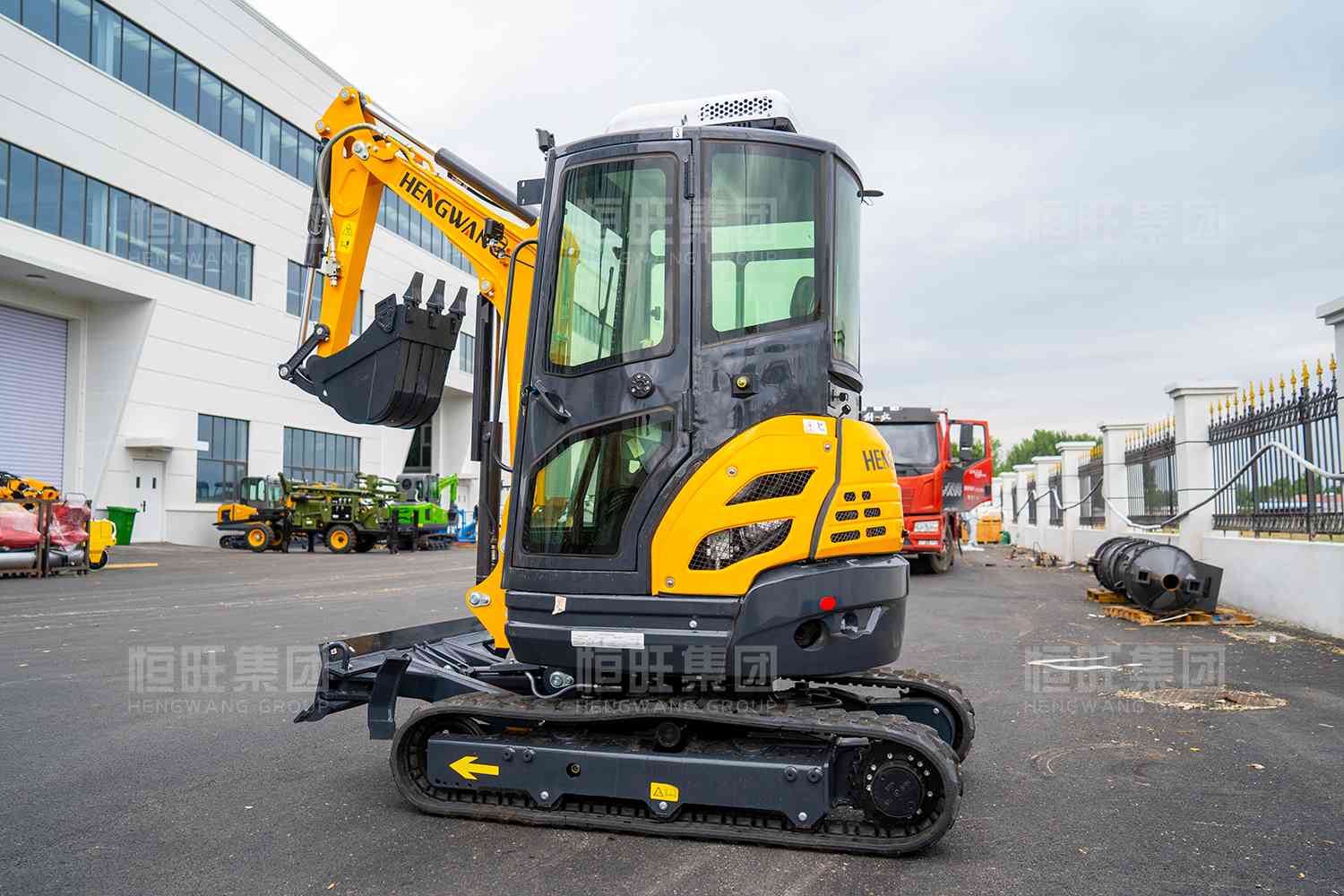
Excavators often face high-temperature challenges during summer operations, particularly with engine coolant (water temperature) and hydraulic oil overheating. These issues severely impact performance and longevity. This guide focuses on systematic solutions for excavators, addressing both water and hydraulic oil temperature anomalies.
I. Types of High-Temperature Failures in Excavators
Hydraulic Oil Overheating: Caused by rapid heat generation (internal leaks, blocked pipelines) or slow heat dissipation (dirty radiators).
Coolant Overheating: Resulting from restricted water flow (stuck thermostat) or inefficient cooling (damaged fans).
II. Water Temperature Overheating in Excavators
Key Symptoms & Causes:
Clogged Radiators:
Accumulated debris (mud, leaves) reduces airflow. Clean radiators monthly with compressed air
Faulty Thermostat:
A stuck thermostat blocks large-loop circulation. Measure temperature differences between upper/lower radiator sections (normal: >10°C gap)
Fan Malfunction:
Loose belts or worn clutch reduce airflow by 30%+. Check belt tension (2–3 cm deflection under 98N pressure)
Coolant Leakage:
Low coolant levels exacerbate overheating. Maintain levels between "MAX" and "MIN" markers
Emergency Fixes:
Shut down the engine and open side hatches for forced ventilation.
Operate at idle (≤1,500 RPM) until temperature drops below 85°C before refilling with coolant (avoid tap water).
III. Hydraulic Oil Overheating in Excavators
Root Causes:
Cooling System Failures:
Blocked oil cooler (ΔP >0.12 MPa requires cleaning)
Contaminated oil (replace hydraulic oil every 1,000 hours)
System Overloading:
Excessive pressure (e.g., relief valve set below 22 MPa) increases internal leakage
Worn pump seals (replace if leakage exceeds 5 L/min)
Optimization Strategies:
1. Cooling Enhancement:
Install dust-proof mesh on radiators (filtration efficiency +70%)
Use high-temperature hydraulic oil (NLGI 2 lithium grease, >280°C drop point)
2. System Tuning:
Adjust main relief valve pressure to 22 MPa (±0.5 MPa)
Prioritize composite actions over single operations to reduce throttling losses
IV. Preventive Maintenance for Excavators
Daily Inspections:
Monitor seal integrity and belt tension weekly.
Use vibration sensors to detect early bearing wear (accuracy: 90%)
Environmental Adaptations:
In humid climates, dry grease slots post-operation.
In high-temperature zones, select high-temperature lubricants
Smart Monitoring:
Deploy IoT-enabled temperature sensors for real-time alerts (response time <2 mins)
Conclusion
Excavator high-temperature issues stem from cooling inefficiencies and system overloads. Proactive measures—regular radiator cleaning, pressure adjustments, and predictive maintenance—can reduce failures by 80%. For persistent issues, consult certified technicians for advanced diagnostics.